


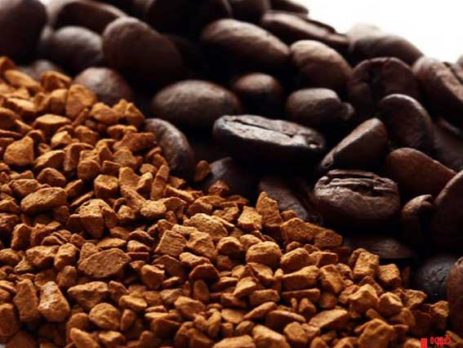
What is instant coffee
What is instant coffee
In general, instant coffee is brewed coffee with almost all its water removed. This process is not complicated and no strange chemical changes occur. In fact, instant coffee is pure coffee and you may know it as coffee powder, instant coffee or crystalline coffee
How to make instant coffee
There are two general ways to make instant coffee crystals: freeze drying and spray drying but before brewing, coffee is brewed or concentrated in one of the following ways
Vacuum evaporation: A process in which coffee is boiled at a lower temperature. This stage is used for foods such as ketchup, skim milk and commercial side dishes. Freeze-thawed: A process that is more adapted to the flavor and the water is removed and the liquid remains thicker. This method is also used to produce juice extracts, vinegar extracts and so on
Freeze drying method
In the freeze-drying method, the brewed coffee is frozen at -40 ° C and afterwards cut into solid and solvent slices in water. They are then dried at low temperature under vacuum, which results in instant brewing. In this method the flavor quality is protected due to the very low temperature and mild drying conditions. One of the benefits of this method is that it does not oxidize coffee, does not create new compounds in coffee, reduces the stickiness and mass of the coffee
Coating drying method
In the spray drying method, the prepared coffee is sprayed with a stream of warm air over a tall cylindrical tower. The coffee droplets in this tower lose their moisture and become soluble in water and texture when they reach the bottom of the cylinder. This powder is ready to be redissolved in water. Unfortunately, in the process, high temperatures on coffee oil affect the aroma and smell of coffee and most of the coffee flavor disappears. This process is the most commonly used method of making instant coffee. The instant coffee obtained by this method has a lighter color and coarser granulation called the so-called Gold Coffee.
Instant Coffee History
Instant coffee was invented in 1980 by David Strange in New Zealand. He made instant coffee by the name of Strange Coffee, citing the patent-pending hot air drying process. Also in 1901, a Japanese scientist named Satori Kato working in Chicago patented a similar invention. Later, in 1910, George Lewis Washington proposed another way of producing instant coffee while living in Guatemala. He was a coffee fan who did a lot of experimenting with coffee powder and produced a dry coffee crystal that is very similar to our modern coffee. He named his brand “Red E Coffee”. With the Brazilian government’s insistence, Nestlé began restoring the instant coffee process in the 1930s. In 1938, the Swiss company marketed its instant coffee called “Nescafe” to the international market, a combination of “Nestle” and “Café”, and in 1985, Nescafe Gold, an instant freeze-dried coffee. The instant coffee is not only a beverage but also an important ingredient in the Noel C cafe, which is used to produce black and white photos. The point is that the cheaper the coffee brand, the better the photos
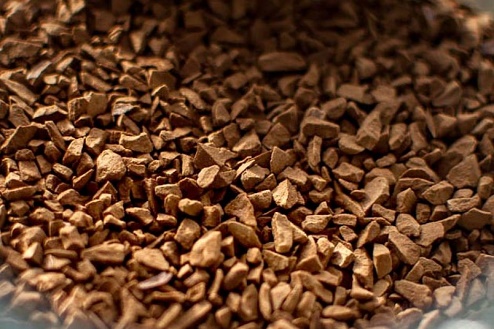
Instant coffee caffeine
250 g of instant coffee contains 27 to 173 mg of caffeine while the same amount of instant coffee has 2 to 12 mg of caffeine.
Health effects of instant coffee versus regular coffee
Although a typical cup of coffee contains approximately 400 mg of polyphenols (an antioxidant) per 180 ml, instant coffee has 329 mg of caffeine in the same amount. In this regard, instant coffee is very useful for those looking for less caffeine. For some unknown reason, instant coffee reduces iron absorption compared to regular coffee. The intestine usually absorbs 5.88% of the iron you consume. By eating regular coffee, this intake should be reduced to 1.64%, while regular coffee intake decreases iron intake by 0.97%. There is also evidence for increased risk of bladder cancer. Women who drink instant coffee more often than normal coffee have bladder cancer, but in men there is no increased risk of cancer. On the other hand, studies have shown that instant coffee has more acrylamide than regular coffee. Acrylamide is a natural by-product of roasting coffee beans that is both neurotoxic and carcinogenic. But the amount of acrylamide in instant coffee is much lower than the amount that can harm health and ultimately endanger it
Related Posts

Turk coffee
Turkish Coffee (Turkish: Türk kahvesi) is a way of serving coffee. Roasted and then fully…Read more

How to make coffee
In this article we will try to explain the coffee making process with us The…Read more